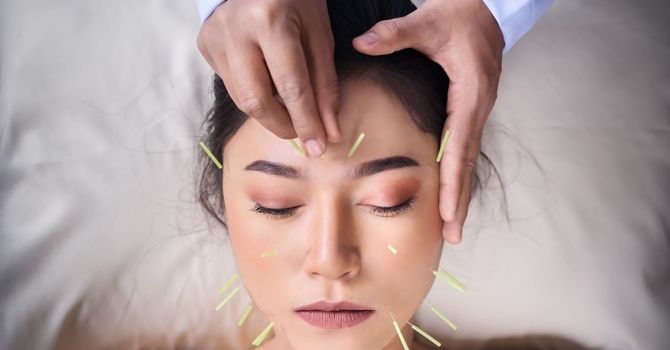
Acupuncture for Pain Relief: What the Research Shows
Pain is one of the most common reasons people seek acupuncture. From chronic back pain to migraines, arthritis, and fibromyalgia, acupuncture has been used for thousands of years to alleviate discomfort and support healing. Modern research is now confirming what Traditional Chinese Medicine (TCM) has known for centuries.
How Acupuncture Works for Pain
In TCM, pain is often caused by Qi stagnation or blockages in the meridians. Acupuncture restores balance and flow of Qi and blood, allowing the body to heal naturally.
Modern science shows that acupuncture:
-
Stimulates nerve fibers, sending signals to the brain and spinal cord
-
Triggers endorphin release, the body’s natural painkillers
-
Modulates neurotransmitters involved in pain perception, like serotonin and norepinephrine
-
Reduces inflammation and promotes blood flow to injured areas
-
Influences central nervous system activity in regions associated with pain regulation (Vickers et al., 2018; Zhao, 2008; Hui et al., 2005)
Conditions Commonly Treated
Acupuncture can help with:
-
Back and neck pain (Cherkin et al., 2009)
-
Migraines and tension headaches (Linde et al., 2016)
-
Arthritis pain (Manheimer et al., 2010)
-
Fibromyalgia and chronic pain syndromes (Deare et al., 2013)
-
Menstrual cramps and pelvic pain (Smith et al., 2018)
Patients often notice improved mobility, reduced pain intensity, and enhanced quality of life.
What to Expect During Treatment
-
Personalized Care: Your acupuncturist will assess your condition and create a tailored plan
-
Needling: Ultra-thin, sterile needles are inserted at specific points to promote healing
-
Session Length: Typically 30–60 minutes, including consultation and rest
-
Frequency: Often 1–2 times per week initially, then spaced out as symptoms improve
Many patients report immediate relaxation, with cumulative benefits over multiple sessions.
Complementary Strategies
Acupuncture is most effective when combined with:
-
Gentle exercise and stretching
-
Mindfulness or meditation
-
Balanced nutrition
-
Adequate sleep
These practices support long-term pain relief and overall wellness.
Why Choose Acupuncture for Pain?
Acupuncture is a safe, drug-free, and holistic option for pain management. Unlike medications, it works by addressing underlying imbalances, supporting the body’s natural healing mechanisms, and promoting whole-body wellness.
For women, acupuncture can also provide hormonal and reproductive support, which can help with pain related to menstrual cycles or menopause.
Getting Started
If you’re in Wayne, PA or the Main Line area, acupuncture can be a personalized, evidence-informed approach to managing pain safely and effectively.
At Main Line Women’s Acupuncture, care is gentle, tailored, and designed to support your whole-body health.
141 W. Wayne Ave, Wayne, PA
Call/Text: 484-222-0854
Schedule online: https://mainlinewomensacupuncture.janeapp.com/
This blog post is for educational purposes only and does not replace care from your primary healthcare provider.
Amara McLees
Contact Me