Can Acupuncture Help With Anxiety and Stress?
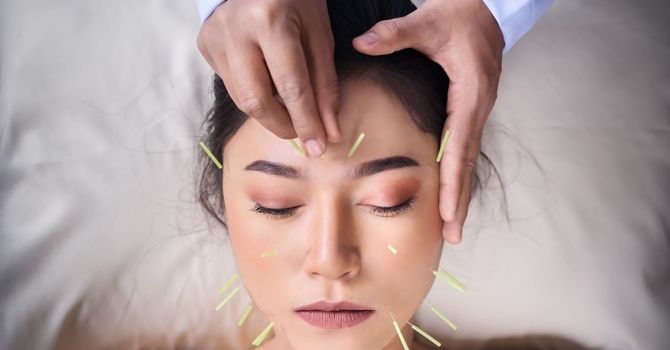
Stress and anxiety are common challenges in modern life, affecting our mood, sleep, energy, and overall health. While lifestyle changes, therapy, and medications are often recommended, acupuncture offers a gentle, evidence-based approach to supporting mental and emotional well-being.
This guide explores how acupuncture works for anxiety and stress, the research behind it, and what to expect from treatment.
How Acupuncture Works for Stress and Anxiety
In Traditional Chinese Medicine (TCM), stress and anxiety are often linked to imbalances in the liver, heart, and kidney systems and stagnation of Qi (energy flow). Acupuncture aims to restore balance and promote smooth Qi circulation, calming the nervous system and supporting emotional health.
From a modern scientific perspective, acupuncture can:
-
Activate the parasympathetic nervous system, promoting relaxation
-
Reduce cortisol, the stress hormone
-
Increase production of endorphins and serotonin, which improve mood
-
Regulate the hypothalamic-pituitary-adrenal (HPA) axis, helping the body respond better to stress
-
Modulate brain activity in areas responsible for emotion and pain regulation (fMRI studies) (Zhao, 2008; Hui et al., 2005; Langevin et al., 2021)
Research Evidence
Clinical studies support acupuncture for anxiety and stress:
-
A meta-analysis found acupuncture significantly reduced symptoms of generalized anxiety disorder compared to no treatment or sham acupuncture (Zhou et al., 2015)
-
Research shows acupuncture can lower cortisol levels, reducing physiological stress responses (Sang et al., 2010)
-
Patients report improved sleep, mood, and energy following regular acupuncture sessions (Huang et al., 2017)
These studies suggest acupuncture is safe, effective, and well-tolerated, with minimal side effects.
How Acupuncture Sessions Typically Work
Treatment plans are personalized based on your symptoms, health history, and response to care. Common approaches include:
-
Frequency: 1–2 times per week for acute stress or anxiety, gradually spacing out as symptoms improve
-
Points: Commonly used points include Yintang, Shenmen, LI4, HT7, SP6, GV20, among others, tailored to the individual
-
Duration: Sessions typically last 30–60 minutes, including consultation, needling, and rest time
Consistency is key—benefits often accumulate over multiple sessions.
Complementary Strategies
Acupuncture works best alongside healthy lifestyle practices, such as:
-
Mindfulness or meditation
-
Regular movement (yoga, walking, Pilates)
-
Balanced nutrition and hydration
-
Adequate sleep
These practices can enhance the stress-reducing effects of acupuncture.
Why Choose Acupuncture?
Acupuncture is a non-pharmacological, low-risk option for managing anxiety and stress. Unlike medications, it works with your body’s natural systems and can provide both immediate relaxation and long-term emotional support.
For women, acupuncture can be particularly helpful in managing hormone-related mood fluctuations, such as those occurring during PMS, perimenopause, or menopause.
Getting Started
If you’re located in Wayne, PA or the surrounding Main Line area, an individualized acupuncture consultation can help you determine a treatment plan tailored to your needs.
At Main Line Women’s Acupuncture, care is personalized, evidence-informed, and focused on your whole-body wellness—so you can feel supported from the very first session.
141 W. Wayne Ave, Wayne, PA
Call/Text: 484-222-0854
Schedule online: https://mainlinewomensacupuncture.janeapp.com/
This blog post is for educational purposes only and does not replace care from your primary healthcare provider.
Amara McLees
Contact Me