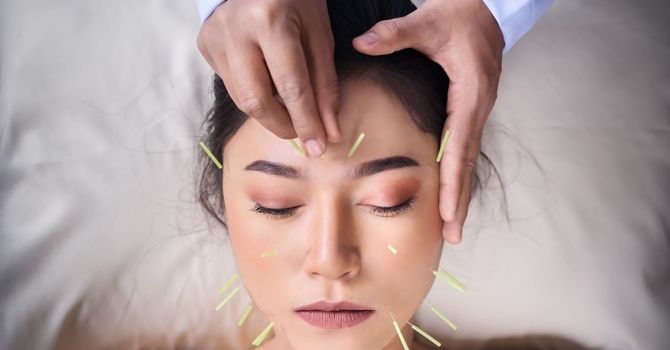
How Acupuncture Supports Whole-Body Health
Acupuncture is often associated with pain relief, but its benefits extend far beyond treating aches and injuries. As a whole-body therapy, acupuncture works by supporting the nervous system, regulating stress responses, and improving communication between the body’s systems. This integrative approach is one reason acupuncture continues to grow in popularity within modern healthcare.
If you’re curious about how acupuncture works and why so many people turn to it for both preventive and supportive care, this overview will help you understand its broader impact on health.
Acupuncture and the Nervous System
One of the primary ways acupuncture works is through its effect on the nervous system. Research suggests acupuncture can help regulate the autonomic nervous system—the part of the nervous system responsible for stress responses, digestion, sleep, and hormone signaling.
By gently stimulating specific acupuncture points, treatment may help:
-
Calm an overactive stress response
-
Shift the body out of “fight or flight” and into a more restorative state
-
Support emotional regulation and mental clarity
This nervous-system-focused effect is why many people notice improvements in sleep, mood, and overall resilience after acupuncture.
Stress, Hormones, and Inflammation
Chronic stress can disrupt nearly every system in the body, including hormonal balance and immune function. Acupuncture is commonly used to support stress management, which in turn may help regulate cortisol levels and reduce inflammation.
For many patients, this translates into benefits such as:
-
Improved energy levels
-
Fewer stress-related symptoms like headaches or digestive discomfort
-
Better menstrual and hormonal balance
This whole-person approach makes acupuncture especially helpful for individuals experiencing overlapping symptoms without a single clear diagnosis.
Acupuncture for Preventive Care
While acupuncture is often sought for specific concerns, many people choose regular treatments as a form of preventive care. Supporting the body before symptoms become severe can help maintain balance and resilience over time.
Preventive acupuncture may support:
-
Immune system regulation
-
Sleep quality
-
Digestive health
-
Emotional well-being
By addressing subtle imbalances early, acupuncture can play a role in long-term wellness rather than only symptom management.
What Does Acupuncture Feel Like?
A common question among first-time patients is whether acupuncture hurts. Acupuncture needles are extremely thin—much thinner than injection needles—and most people feel little to no discomfort. Sensations may include warmth, heaviness, tingling, or deep relaxation during treatment.
Many patients are surprised by how calming the experience feels and report leaving sessions feeling grounded and refreshed.
Choosing a Licensed Acupuncturist
For safe and effective care, it’s important to work with a licensed acupuncturist who has completed extensive graduate-level training and clinical education. A licensed provider ensures that treatments are grounded in anatomy, physiology, clean needle technique, and evidence-informed practice.
At Main Line Women’s Acupuncture in Wayne, PA, care is personalized and designed to support your unique health goals in a calm, supportive environment.
Is Acupuncture Right for You?
Acupuncture is a gentle, low-risk therapy that can be integrated with conventional medical care. Whether you’re seeking relief from pain, support for stress or hormonal health, or a preventive approach to wellness, acupuncture offers a thoughtful, whole-body option.
If you’re located in Wayne, PA or the surrounding Main Line area, acupuncture may be a valuable addition to your healthcare routine.
Interested in learning more or scheduling an appointment?
141 W. Wayne Avenue, Wayne, PA
Call or text: 484-222-0854
Schedule online at: https://mainlinewomensacupuncture.janeapp.com/
This blog post is for educational purposes and does not replace care from your primary healthcare provider.
Amara McLees
Contact Me