Is Acupuncture Safe? What Patients Should Know
If you’re considering acupuncture for the first time, safety is likely one of your top questions—and understandably so. The good news is that acupuncture is considered a very safe therapy when performed by a licensed acupuncturist using clean needle technique. In fact, acupuncture has one of the lowest risk profiles among medical and therapeutic interventions.
This guide explains what patients should know about acupuncture safety, training standards, and what to expect during treatment so you can make an informed and confident decision.
How Safe Is Acupuncture?
Extensive research and clinical use have shown that acupuncture is generally safe when provided by a properly trained professional. Serious adverse events are rare, and most reported side effects are mild and temporary.
Common, minor side effects may include:
-
Slight soreness at a needle site
-
Mild bruising or redness
-
Temporary fatigue or lightheadedness
These effects typically resolve quickly and are considered normal responses as the body adjusts to treatment.
Acupuncture Needles: What You Should Know
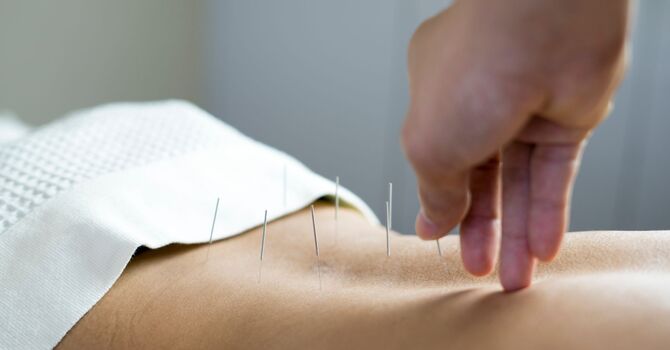
A major source of concern for new patients is the needles themselves. Acupuncture needles are very different from needles used for injections or blood draws.
-
Acupuncture needles are extremely thin, about the width of a human hair
-
They are solid, not hollow, which minimizes tissue disruption
-
All needles are single-use, sterile, and disposable
Most people feel little to no pain during insertion. Sensations may include warmth, heaviness, tingling, or a dull ache—often described as relaxing rather than uncomfortable.
Clean Needle Technique & Sterile Practices
Licensed acupuncturists are trained extensively in clean needle technique, which is a standardized safety protocol designed to prevent infection and injury. This includes:
-
Use of pre-sterilized, single-use needles
-
Proper hand hygiene and skin preparation
-
Safe needle insertion and removal techniques
-
Proper disposal of all sharps
In the United States, acupuncture needles are regulated by the FDA as medical devices, adding an additional layer of safety oversight.
Why Choosing a Licensed Acupuncturist Matters
Safety in acupuncture depends heavily on the training and credentials of the provider. A licensed acupuncturist has completed rigorous graduate-level education and clinical training.
This typically includes:
-
Extensive coursework in anatomy, physiology, and pathology
-
Hundreds to thousands of supervised clinical hours
-
National board examinations
-
State licensure and ongoing continuing education
Working with a licensed provider ensures that acupuncture care is delivered safely, ethically, and with a strong foundation in both traditional practice and modern medical understanding.
Is Acupuncture Safe for Women’s Health?
When provided by a practitioner trained in women’s health and prenatal care, acupuncture is considered safe for many women across different life stages.
Women commonly seek acupuncture support for:
-
Menstrual and hormonal concerns
-
Fertility and reproductive health
-
Perimenopause and menopause symptoms
-
Pregnancy-related discomforts
Treatment is always individualized, and certain points or techniques may be modified or avoided depending on the stage of life or health status.
What to Expect at Your First Appointment
A safe acupuncture experience also involves clear communication and thoughtful care. During your first visit, you can expect:
-
A comprehensive health intake
-
Discussion of your goals, medical history, and current symptoms
-
Gentle, attentive treatment with ongoing check-ins
-
Clear aftercare guidance
You should always feel comfortable asking questions and sharing feedback during your session.
When Acupuncture May Not Be Appropriate
While acupuncture is safe for most people, there are situations where treatment may need to be modified or delayed. Be sure to inform your acupuncturist if you:
-
Are pregnant or may be pregnant
-
Have a bleeding disorder or use blood-thinning medications
-
Have a compromised immune system
-
Have a medical device such as a pacemaker
A licensed acupuncturist will adjust treatment accordingly or refer you to another healthcare provider when appropriate.
A Safe, Supportive Approach to Care
Acupuncture is a gentle, low-risk therapy that emphasizes safety, personalization, and whole-person care. When performed by a licensed and experienced practitioner, it can be a valuable part of an integrative healthcare plan.
If you’re located in Wayne, PA or the surrounding Main Line area, acupuncture may be a safe and supportive option for your health and well-being.
Interested in learning more or scheduling an appointment?
141 W. Wayne Avenue, Wayne, PA
Call or text: 484-222-0854
Schedule online at: https://mainlinewomensacupuncture.janeapp.com/
This blog post is for educational purposes only and does not replace care from your primary healthcare provider.
Amara McLees
Contact Me