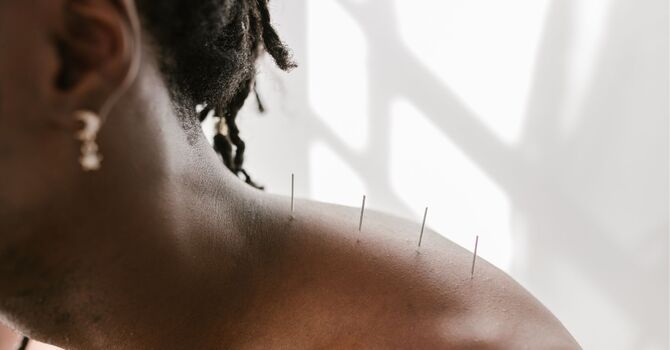
Recurrent Pregnancy Loss and Chinese Medicine: An Integrative Approach to Fertility Support
Experiencing a pregnancy loss can be one of the most heartbreaking challenges a person or couple may face. When losses occur more than once, the emotional and physical impact can be profound. Recurrent pregnancy loss (RPL) is now generally defined as two or more pregnancy losses, and while modern reproductive medicine has improved our understanding of miscarriage, many patients still find themselves searching for answers after repeated losses. According to the American Society for Reproductive Medicine (ASRM), recurrent pregnancy loss affects a small but significant portion of the population, and many cases remain unexplained despite comprehensive evaluation.
As a Doctor of Acupuncture specializing in women's health and fertility, recurrent pregnancy loss is one of the conditions I frequently support in my practice. Many of my patients come to acupuncture after experiencing miscarriages, chemical pregnancies, failed embryo transfers, or unexplained fertility challenges. While acupuncture is not a replacement for medical care, it can serve as a valuable complementary therapy alongside fertility specialists, reproductive endocrinologists, OB/GYNs, and other healthcare providers.
Understanding Recurrent Pregnancy Loss
Pregnancy loss is unfortunately common, with most miscarriages occurring during the first trimester. Causes may include:
- Chromosomal abnormalities
- Uterine structural abnormalities
- Hormonal imbalances
- Thyroid disorders
- Autoimmune conditions
- Blood clotting disorders
- Male factor fertility issues
Even after extensive testing, a substantial percentage of recurrent pregnancy loss cases have no clearly identified cause. This can leave patients feeling frustrated, overwhelmed, and uncertain about their next steps.
How Chinese Medicine Views Recurrent Pregnancy Loss
Traditional Chinese Medicine (TCM) does not view recurrent pregnancy loss as a single diagnosis. Instead, practitioners identify patterns of imbalance that may contribute to reproductive challenges. Treatment is always individualized and based on a person's unique presentation. Some common patterns I see in clinic are:
Kidney Deficiency
In Traditional Chinese Medicine, the Kidneys govern reproduction, development, and fertility. When Kidney Qi, Yin, Yang, or Essence are deficient, the body's ability to conceive and maintain a healthy pregnancy may be affected.
Common signs may include:
- Low back pain
- Fatigue
- Feeling cold
- Frequent urination
- Delayed fertility
- History of miscarriage
Qi and Blood Deficiency
Chinese medicine emphasizes the importance of abundant Qi and Blood to nourish the uterus and support pregnancy.
Common signs may include:
- Fatigue
- Pale complexion
- Light menstrual periods
- Dizziness
- Poor circulation
Blood Stasis
Blood Stasis refers to impaired circulation and obstruction within the body's channels and vessels.
Common signs may include:
- Dark menstrual blood
- Clotting
- Painful periods
- Endometriosis
- Pelvic pain
- History of surgery
Liver Qi Stagnation
The Liver plays an important role in regulating the smooth flow of Qi and Blood. Chronic stress, emotional strain, and unresolved grief can contribute to stagnation.
Common signs may include:
- PMS
- Breast tenderness
- Mood changes
- Irritability
- Anxiety
Dampness and Phlegm
Dampness may contribute to reproductive dysfunction in some patients and is commonly seen in conditions such as PCOS.
Common signs may include:
- Bloating
- Weight gain
- Fatigue
- Brain fog
- Digestive sluggishness
How Acupuncture May Support Fertility and Pregnancy
Research suggests acupuncture may support reproductive health through several mechanisms, including modulation of the nervous system, reduction of stress, and improvements in blood flow to reproductive organs. Studies examining acupuncture in fertility care have demonstrated potential benefits for reproductive outcomes, patient well-being, and quality of life, although additional high-quality research is needed.
Acupuncture may help support:
- Stress reduction
- Nervous system regulation
- Uterine and ovarian blood flow
- Hormonal balance
- Overall reproductive health and well-being
One proposed mechanism is acupuncture's ability to influence the autonomic nervous system, helping shift the body away from a chronic "fight-or-flight" state and toward a more restorative parasympathetic state. This may be particularly important for individuals navigating the emotional stress, uncertainty, and anxiety that often accompany fertility challenges and pregnancy loss.
Research has also suggested that acupuncture may help improve blood flow to the uterus and ovaries. Adequate circulation is essential for delivering oxygen and nutrients to reproductive tissues and supporting normal reproductive function. Some studies have observed changes in uterine blood flow following acupuncture treatment, leading researchers to explore its potential role as a supportive therapy in fertility care.
Additionally, acupuncture may influence neuroendocrine pathways involved in reproductive health, including those that help regulate the menstrual cycle, ovulation, and hormonal signaling. From a Traditional Chinese Medicine perspective, treatment aims to promote the smooth flow of Qi and Blood, nourish deficiencies, resolve stagnation, and create an internal environment that supports reproductive health.
Importantly, acupuncture should be viewed as a complementary therapy rather than a substitute for appropriate medical evaluation and treatment. The greatest benefit is often seen when acupuncture is integrated into a comprehensive care plan that may include fertility specialists, reproductive endocrinologists, OB/GYNs, nutrition support, and mental health care when appropriate.
Supporting Patients Through Recurrent Pregnancy Loss
One of the most overlooked aspects of recurrent pregnancy loss is its emotional impact. Patients often describe feelings of grief, anxiety, hypervigilance, and fear surrounding future pregnancies.
In my practice, treatment focuses not only on physical health but also on creating space for emotional healing. Whether a patient is trying to conceive naturally, preparing for IVF, recovering after a miscarriage, or navigating pregnancy after loss, acupuncture provides an opportunity to support both the body and the mind.
Care is individualized and may focus on:
- Regulating menstrual cycles
- Supporting ovulation
- Improving overall reproductive health
- Reducing stress and anxiety
- Preparing for conception
- Supporting IVF and fertility treatment cycles
- Supporting pregnancy after loss
Having worked with many women navigating fertility challenges, I understand that recurrent pregnancy loss affects far more than reproductive health. My goal is to provide compassionate, evidence-informed care that helps patients feel supported throughout their journey.
An Integrative Approach to Care
The most successful fertility care often involves collaboration. Acupuncture works best as part of a comprehensive treatment plan that may include reproductive endocrinology, obstetrics, nutrition, mental health support, and lifestyle modifications.
Traditional Chinese Medicine offers a framework that looks beyond laboratory values and diagnoses to consider the whole person—their physical health, emotional well-being, sleep, digestion, stress levels, menstrual history, and overall vitality.
Ready to Take the Next Step?
If you are navigating recurrent pregnancy loss, pregnancy after loss, or fertility challenges, know that you do not have to go through it alone. While every journey is unique, acupuncture may offer supportive care that addresses both the physical and emotional aspects of reproductive health.
At Main Line Women's Acupuncture, I specialize in women's health, fertility, IVF support, and pregnancy care. My approach combines the wisdom of Traditional Chinese Medicine with an evidence-informed, individualized treatment plan designed to complement the care you receive from your fertility specialist, OB/GYN, or reproductive endocrinologist.
Whether you are preparing to conceive, recovering after a loss, pursuing fertility treatment, or seeking support during pregnancy after loss, I am here to help guide and support you along the way.
Serving patients throughout Wayne, Radnor, Devon, Villanova, Berwyn, Malvern, Newtown Square, King of Prussia, and the Main Line region of Pennsylvania, I am committed to providing compassionate, personalized care in a supportive and welcoming environment.
To learn more or schedule an appointment, contact Main Line Women's Acupuncture or book a complimentary 15-minute consultation to discuss your health concerns and goals. Together, we can create a personalized treatment plan designed to support your fertility journey, reproductive health, and overall well-being.
Main Line Women's Acupuncture
Wayne, Pennsylvania
Supporting Women Through Every Stage of Life
Fertility Support • IVF Support • Recurrent Pregnancy Loss • Pregnancy Care • Perimenopause & Menopause • Acupuncture for Women's Health
Schedule your appointment today and take the next step toward feeling supported, empowered, and cared for on your journey.
Book here: https://mainlinewomensacupuncture.janeapp.com/
Sources
- Gracia C, et al. Recurrent pregnancy loss: a committee opinion. American Society for Reproductive Medicine. 2026.
- Rubin LH. Recurrent Pregnancy Loss and Traditional Chinese Medicine. Med Acupunct. 2013.
- Masoud A, Elsayed F. Systematic Review and Meta-analysis of the Efficacy of Acupuncture as an Adjunct to IVF Cycles. 2022.
- Quan K, et al. Acupuncture as Treatment for Female Infertility: A Systematic Review and Meta-analysis of Randomized Controlled Trials. 2022.
Amara McLees
Contact Me