As winter transitions into spring, many people notice subtle changes in their bodies. Energy levels shift, digestion may feel different, seasonal allergies begin to appear, and emotions can feel more reactive. In Traditional Chinese Medicine (TCM), these experiences are not random—they reflect the body's natural response to seasonal change.
One of the most important ways to support the body during seasonal transitions is through food. In Chinese medicine, diet is considered a powerful form of preventative medicine. By choosing foods that align with the season, we can help the body maintain balance and support systems such as digestion, circulation, and detoxification.
Spring is associated with the Wood element and the Liver and Gallbladder systems in Chinese medicine. These systems regulate the smooth flow of Qi (energy) and blood throughout the body. When supported properly, they help maintain emotional balance, healthy digestion, hormonal regulation, and overall vitality.
In this article, we’ll explore why seasonal eating matters in TCM and the best foods to help your body transition into spring.
Why Seasonal Eating Matters in Traditional Chinese Medicine
Traditional Chinese Medicine views the body as deeply connected to nature. Just as plants, animals, and weather patterns change throughout the year, our internal systems also shift in response to seasonal energy.
According to the classical Chinese medical text The Yellow Emperor’s Inner Classic (Huangdi Neijing), spring is a time of growth, movement, and upward expansion. Qi begins to rise in the body, mirroring the way plants emerge from the earth and trees begin to blossom.
The Liver system plays a key role during this time because it is responsible for ensuring the smooth flow of Qi throughout the body. When Liver Qi flows freely, digestion, emotional regulation, circulation, and menstrual cycles tend to function more harmoniously.
However, if the body struggles to adapt to the seasonal transition, people may experience symptoms such as:
-
Irritability or mood fluctuations
-
Headaches or migraines
-
Rib-side tension
-
Digestive discomfort or bloating
-
Fatigue or low motivation
-
Seasonal allergies
In Chinese medicine, diet can help prevent these imbalances by supporting the Liver and Gallbladder and encouraging the smooth movement of Qi.
Best Foods to Eat in Spring According to TCM
Spring foods should be lighter, fresher, and more energizing than the heavier meals commonly eaten during winter. The goal is to help the body transition out of winter’s inward, nourishing energy and into the more expansive movement of spring.
The following food categories are traditionally recommended.
Bitter Greens to Support Liver and Gallbladder Health
In Chinese medicine, the bitter flavor helps clear heat, drain dampness, and stimulate digestive function. Bitter greens are particularly beneficial during spring because they support the Liver and Gallbladder systems.
Common spring bitter greens include:
-
Dandelion greens
-
Arugula
-
Endive
-
Radicchio
-
Chicory
-
Mustard greens
-
Watercress
-
Broccoli rabe
From a biomedical perspective, bitter vegetables stimulate digestive secretions and bile production, which can support fat digestion and liver function.
Dark Leafy Greens to Nourish Liver Blood
The Liver in Chinese medicine stores blood and plays a role in nourishing the tendons, eyes, and menstrual cycle. Dark leafy greens are traditionally used to support Liver Blood and improve circulation.
Helpful spring greens include:
-
Spinach
-
Swiss chard
-
Kale
-
Beet greens
-
Collard greens
-
Bok choy
-
Napa cabbage
These vegetables are rich in magnesium, folate, antioxidants, and chlorophyll, nutrients known to support liver detoxification pathways and overall metabolic health.
Fresh Sprouts and Young Plants for Rising Spring Energy
Sprouts represent the energetic quality of growth and upward movement, which aligns with the energy of spring in Chinese medicine.
Examples include:
-
Mung bean sprouts
-
Broccoli sprouts
-
Sunflower sprouts
-
Alfalfa sprouts
-
Pea shoots
Sprouts contain concentrated nutrients and phytochemicals such as sulforaphane, which has been shown to support antioxidant and detoxification pathways in the body.
Aromatic Herbs that Promote Liver Qi Movement
In TCM, aromatic herbs help regulate digestion and relieve stagnation in the Liver and Gallbladder channels.
Examples include:
-
Scallions
-
Chives
-
Cilantro
-
Dill
-
Fennel
-
Fresh ginger
These herbs can help reduce bloating, improve digestion, and encourage the smooth flow of Qi throughout the body.
Sour Foods that Support the Liver Channel
The sour flavor corresponds to the Liver in Chinese medicine and can help regulate Liver Qi when consumed in moderation.
Examples include:
-
Lemon
-
Lime
-
Grapefruit
-
Apple cider vinegar
-
Fermented vegetables
Fermented foods also provide beneficial bacteria that support gut microbiome health and digestion.
Light Seasonal Vegetables that Support Digestion
During seasonal transitions, the digestive system benefits from foods that are easy to process and rich in fiber.
Good choices include:
-
Asparagus
-
Artichokes
-
Zucchini
-
Snow peas
-
Celery
-
Green beans
Artichokes in particular have been studied for their ability to support bile production and liver health.
Foods to Limit During Early Spring
Chinese medicine recommends reducing foods that contribute to dampness, stagnation, and digestive burden during this seasonal transition.
These include:
-
Fried or greasy foods
-
Highly processed foods
-
Excess sugar
-
Heavy dairy products
-
Alcohol
-
Large late-night meals
Reducing these foods helps prevent stagnation in the Liver and Gallbladder systems and supports smoother digestion.
Simple Ways to Eat for the Spring Season
You don’t need to completely overhaul your diet to support seasonal balance. Small changes can make a meaningful difference.
Consider:
-
Adding bitter greens to salads or sautéed dishes
-
Drinking warm lemon water in the morning
-
Including sprouts in stir-fries or grain bowls
-
Cooking lighter meals with seasonal vegetables
-
Using fresh herbs to improve digestion
These practices reflect both traditional wisdom and modern nutritional research emphasizing plant diversity and seasonal eating patterns.
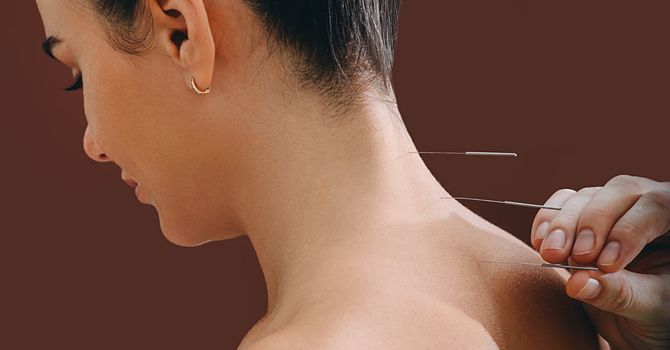
Food therapy is just one component of seasonal health in Traditional Chinese Medicine. Acupuncture can also help regulate the Liver system, improve digestion, reduce stress, and support the body during seasonal transitions.
Many patients find that combining acupuncture with dietary adjustments helps them experience:
-
Improved energy levels
-
Better digestion
-
Reduced headaches
-
Improved mood balance
-
Relief from seasonal allergies
Spring represents an opportunity to reset and support the body’s natural rhythms.
Final Thoughts
In Traditional Chinese Medicine, seasonal eating is a powerful way to maintain health and prevent imbalance. By incorporating fresh greens, sprouts, aromatic herbs, and lighter foods, we can help the body transition smoothly into spring.
Supporting the Liver and Gallbladder during this time encourages the free flow of Qi—helping us feel more energized, emotionally balanced, and aligned with the natural rhythms of the season.
Support Your Health This Spring with Acupuncture
Seasonal transitions can place extra demands on the body. If you’ve been experiencing symptoms such as digestive changes, fatigue, headaches, stress, hormonal shifts, or seasonal allergies, acupuncture and Traditional Chinese Medicine can help support your body’s natural ability to rebalance.
At Main Line Women’s Acupuncture, treatments are designed to support the body through every stage of life with a focus on women’s health, fertility, hormonal balance, stress management, and whole-body wellness.
By combining acupuncture, lifestyle guidance, and Chinese dietary principles, we work to help patients restore balance, improve energy, and support long-term health.
If you’re curious about how acupuncture can support your health this season, I would love to connect with you.
Dr. Amara McLees, D.Ac, L.Ac.
Owner & Practitioner
Main Line Women’s Acupuncture
Main Line / Philadelphia Area
www.mainlinewomensacupuncture.com/janeapp
Book an appointment online or contact the clinic to learn more about treatment options.
Amara McLees
Contact Me