Living with endometriosis can feel overwhelming, unpredictable, and deeply exhausting; both physically and emotionally.
While medical treatment plays an important role in diagnosis and management, many women seek additional support to help reduce pain, improve energy, and restore a sense of balance in their bodies.
This guide offers a refined introduction to how acupuncture and Traditional Chinese Medicine may support women navigating endometriosis, along with simple lifestyle insights that can be incorporated into daily life.
Endometriosis and Traditional Chinese Medicine: How Acupuncture Can Support Women’s Health
Endometriosis is a complex and often debilitating gynecological condition affecting approximately 6–10% of women of reproductive age. It is characterized by the presence of endometrial-like tissue outside the uterus, leading to chronic inflammation, pelvic pain, painful periods, dyspareunia, and potential fertility challenges.
While conventional medical treatments such as hormonal therapy and surgery can be effective for symptom management, many women seek integrative approaches that support long-term wellbeing and quality of life.
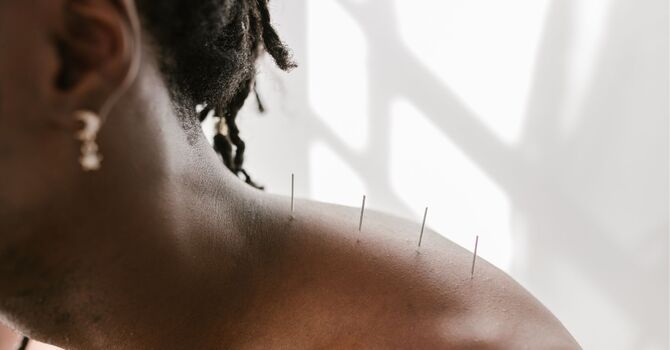
Acupuncture, a central modality within Traditional Chinese Medicine (TCM), has gained increasing attention as a complementary therapy for managing endometriosis-related symptoms.
Scientific Evidence Supporting Acupuncture for Endometriosis
A growing body of research suggests acupuncture may provide meaningful symptom relief.
Clinical and systematic review data indicate acupuncture may:
-
Reduce pelvic pain severity compared with control treatments
-
Improve dysmenorrhea intensity and duration
-
Lower inflammatory markers associated with endometriosis activity
-
Enhance quality-of-life scores in affected patients
For example, meta-analytic research has demonstrated statistically significant improvements in pain outcomes among patients receiving acupuncture compared with standard care alone. Additionally, mechanistic studies suggest acupuncture may modulate prostaglandin activity, inflammatory cytokines, and endogenous opioid release, all of which play roles in chronic pelvic pain physiology.
These findings support acupuncture as a safe adjunctive therapy within multidisciplinary endometriosis care, particularly for patients seeking non-pharmacologic symptom management.
Understanding Endometriosis Through a Traditional Chinese Medicine Lens
In Traditional Chinese Medicine, endometriosis is commonly understood as a pattern involving Qi stagnation and Blood stasis within the pelvic region, often compounded by systemic imbalances.
Common diagnostic patterns include:
-
Liver Qi stagnation related to chronic stress or emotional constraint
-
Blood stasis contributing to fixed, sharp pelvic pain and clotting
-
Cold accumulation affecting uterine circulation and menstrual flow
-
Kidney deficiency influencing hormonal resilience and reproductive vitality
Rather than applying a standardized protocol, acupuncture treatment is tailored to each patient’s cycle history, pain presentation, digestive health, sleep quality, stress physiology, and fertility goals.
This individualized diagnostic model aligns with emerging integrative medicine approaches emphasizing personalized care.
How Acupuncture May Help Support Women with Endometriosis
Endometriosis is increasingly understood as more than a localized gynecological condition. Current research suggests it involves complex interactions between chronic inflammation, altered immune response, hormonal signaling, and central nervous system sensitization. This helps explain why many patients experience not only pelvic pain, but also fatigue, digestive symptoms, sleep disturbances, and heightened stress reactivity. Acupuncture offers a unique integrative approach by addressing both peripheral and central mechanisms of pain. Studies indicate that acupuncture may influence inflammatory cytokines, improve pelvic microcirculation, and modulate autonomic nervous system activity, helping shift the body from a chronic “fight-or-flight” state toward a more restorative physiological balance. From a Traditional Chinese Medicine perspective, this aligns with treatment strategies aimed at moving Blood stasis, regulating Liver Qi, and supporting systemic harmony — ultimately helping patients experience more consistent symptom relief and improved quality of life.
Patients receiving acupuncture for endometriosis support often experience improvements in:
-
chronic pelvic pain
-
menstrual cramping
-
nervous system regulation
-
sleep quality and fatigue
-
digestive symptoms such as bloating
-
emotional resilience and stress tolerance
By improving pelvic circulation and modulating neuroinflammatory pathways, acupuncture may help the body move toward a more balanced physiological state.
For many women, this integrative support enhances overall wellbeing alongside conventional medical treatment.
Endometriosis Acupuncture Care in Wayne, PA | Serving Philadelphia & the Main Line
At Main Line Women’s Acupuncture, care for endometriosis is delivered in a calm, restorative clinical setting with a focus on women’s health, fertility support, and hormonal balance.
Treatment plans are thoughtfully designed to reflect both Traditional Chinese Medicine diagnosis and modern scientific understanding of chronic pelvic pain.
A limited number of new patients seeking acupuncture for endometriosis in the Philadelphia and Main Line area are currently being accepted.
Wayne, Pennsylvania | Serving the Main Line & Philadelphia
https://mainlinewomensacupuncture.janeapp.com/
Schedule online to begin care.
Amara McLees
Contact Me